Road Trucking
Road freight, matched to the right equipment
Based in Auburn, Maine, Peregrine Shipping arranges road freight trucking services across the United States, matching your cargo to the right equipment and coordinating the move from pickup to delivery.
Overview
Trucking coordinated to your freight
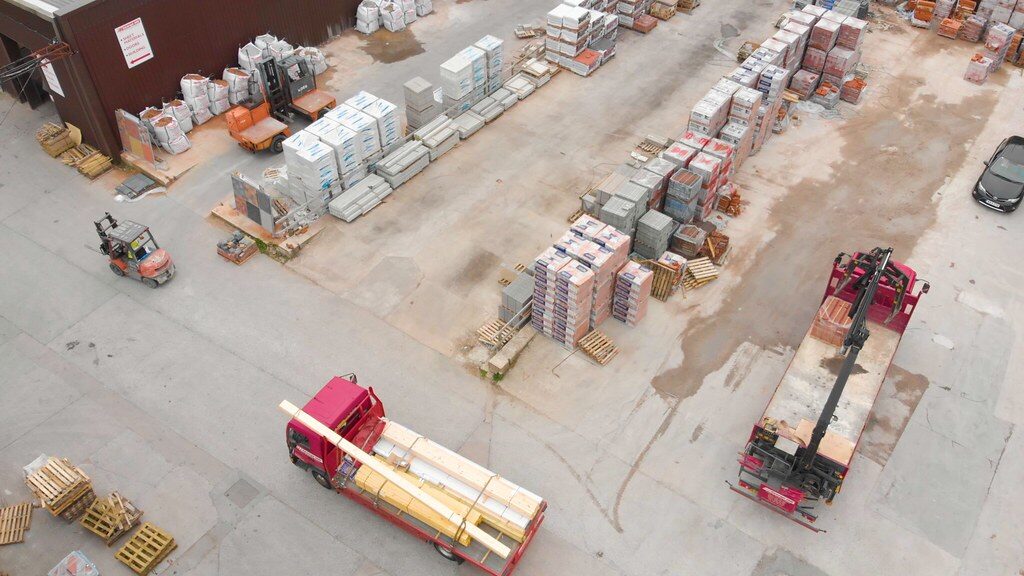
Road freight trucking services cover more ground, literally and figuratively, than any other mode: it’s how cargo reaches ports and airports, how it moves between warehouses, and how most shipments finish their journey to a final address. We arrange full truckload (FTL) and partial truckload moves domestically, matching equipment type to the cargo rather than the other way around.
Not every load needs the same trailer. A dry van suits palletized general freight, a flatbed suits oversized or machinery loads, and a reefer trailer suits anything temperature-sensitive. We select the right equipment for your cargo through our carrier network and manage the paperwork and scheduling around it.
We also treat trucking as a connector, not an isolated leg. Whether your freight is arriving at a port, leaving a warehouse, or headed to a distribution center, we coordinate the pickup and delivery windows so the truck movement lines up with the rest of the shipment.
Full and partial truckload
We arrange FTL for dedicated loads and partial truckload for freight that doesn’t fill a trailer. That flexibility means you’re not paying for a full trailer when your shipment doesn’t need one.
Equipment matched to cargo
Dry van, flatbed, and reefer equipment are sourced through our carrier network based on what your freight actually needs. Getting the equipment match right up front avoids a costly reload or delay at pickup.
Nationwide coverage
We arrange domestic moves across the continental United States, from single lanes to recurring routes. That includes one-off shipments as well as freight that moves on a predictable weekly or monthly schedule.
Coordinated handoffs
Pickup and delivery windows are scheduled around port, warehouse, or customer requirements on either end. That coordination matters most when a truck movement connects to another mode, like ocean or air.
Getting a load on the road
How it works
Step 1
Load details and quote
We review cargo dimensions, weight, and handling needs to quote the right equipment type.
Step 2
Carrier and equipment match
We source the trailer type and carrier from our network based on your freight and timeline.
Step 3
Pickup and paperwork
The carrier arrives for pickup and we confirm the bill of lading and any required documentation.
Step 4
In-transit coordination
We stay in contact with the carrier and flag any schedule changes that could affect delivery.
Step 5
Delivery and proof
The load is delivered and we confirm proof of delivery back to you.
Reference
Trailer types and general specifications
| Trailer type | Typical length | Interior height | Typical max payload* |
|---|---|---|---|
| Dry van | 53′ | ~9’0″ | ~43,000-45,000 lb |
| Flatbed | 48′-53′ | N/A (open deck) | ~48,000 lb |
| Refrigerated (reefer) | 48′-53′ | ~8’7″ | ~43,000-44,000 lb |
*Figures are general industry reference points for standard US over-the-road trailers. Actual capacity depends on the specific trailer, tractor combination, and applicable state and federal weight limits.
FAQs
Road trucking questions
Have a load that needs the right truck?
Send over your freight details and pickup window, and we’ll arrange the equipment and quote.