Dangerous Goods
Dangerous goods, know the rules before you ship
Dangerous goods shipments are governed by strict rules under the IMDG Code, the IATA Dangerous Goods Regulations, and 49 CFR. Tell us about your shipment, and we’ll discuss what it requires.
Overview
Regulated freight needs a regulated process
Dangerous goods freight sits under some of the strictest rulebooks in logistics: the IMDG Code for ocean transport, the IATA Dangerous Goods Regulations (DGR) for air, and 49 CFR for ground transport within the United States. These frameworks exist because a misclassified or poorly packaged hazardous shipment isn’t just a compliance problem, it’s a safety one, for the crew, the carrier, and anyone handling the freight downstream.
Before a dangerous goods shipment can move, a shipper needs to establish the hazard class and packing group from the safety data sheet, prepare a shipper’s declaration for dangerous goods, and confirm that packaging, marking, and placarding meet the rules for the mode of transport involved. Not every carrier accepts every class of dangerous goods, so confirming that match early avoids delays later in the process.
If your shipment includes anything from lithium batteries to flammable liquids to corrosive chemicals, contact our team with the details. We’ll tell you what your shipment will need.
Classification comes first
Every dangerous goods shipment starts with confirming hazard class and packing group from the safety data sheet. Getting this step right before booking avoids a rejected shipment later in the process.
Documentation is mode-specific
A shipper’s declaration for dangerous goods and supporting paperwork are required for the mode of transport. Requirements differ meaningfully between ocean, air, and ground movement.
Not every carrier accepts every class
Carriers vary in which hazard classes they’ll accept and on which routes. Confirming that match before booking avoids delays after a shipment is already ready to move.
Packaging and labeling are checked at pickup
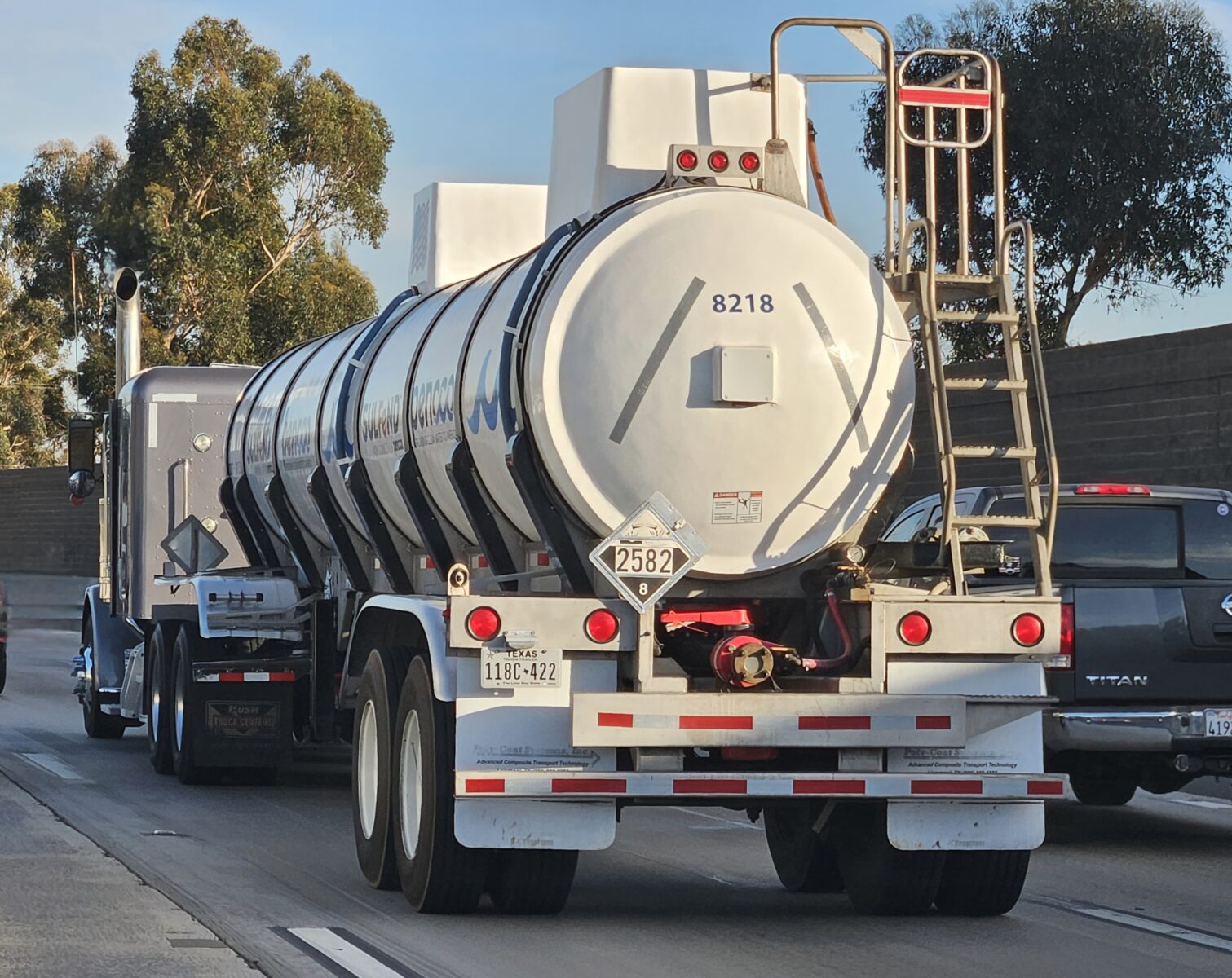
Packaging, marking, and placarding need to meet the applicable regulation before a shipment moves. A missing placard or an incorrect UN number is a common reason a shipment gets held.
What a dangerous goods shipment involves
How it works
Step 1
Cargo and SDS review
The safety data sheet and shipment details establish what’s being shipped and which rules apply.
Step 2
Classification and documentation
Hazard class and packing group are confirmed, and the shipper’s declaration for dangerous goods and other required paperwork are prepared.
Step 3
Carrier and routing match
The shipment is matched to a carrier and route that accepts its specific hazard class and mode.
Step 4
Packaging and labeling check
Packaging, marking, and placarding are checked against the applicable regulation before pickup.
Step 5
Transport and compliance monitoring
The shipment moves with its required documentation, and any question from a carrier or authority in transit is addressed as it comes up.
Reference
The nine dangerous goods hazard classes
| Class | Description | Examples |
|---|---|---|
| 1 | Explosives | Fireworks, ammunition |
| 2 | Gases | Compressed, liquefied, or dissolved gases |
| 3 | Flammable liquids | Gasoline, certain paints and solvents |
| 4 | Flammable solids | Matches, materials liable to spontaneous combustion |
| 5 | Oxidizers and organic peroxides | Hydrogen peroxide, ammonium nitrate fertilizers |
| 6 | Toxic and infectious substances | Certain pesticides, biological or medical waste |
| 7 | Radioactive material | Medical or industrial radioactive isotopes |
| 8 | Corrosive substances | Sulfuric acid, sodium hydroxide |
| 9 | Miscellaneous dangerous goods | Lithium batteries, dry ice, asbestos |
This reflects the standard nine-class system used across IMDG, IATA DGR, and 49 CFR frameworks. It is general reference information, not a classification determination for any specific product.
FAQs
Dangerous goods questions
Shipping something regulated?
Send us the safety data sheet and shipment details, and we’ll walk you through what your shipment requires.