
Temperature-Controlled Freight
Temperature-controlled freight, matched to your cargo’s range
Peregrine Shipping coordinates temperature-controlled ocean and truck freight, matching reefer equipment to the range your cargo actually needs.
Overview
Cold chain freight, coordinated end to end
Temperature-controlled freight shipping covers anything that degrades outside a set range: frozen proteins and seafood, chilled dairy and produce, floral, and other perishable or sensitive cargo. Getting it right means matching the equipment, not just booking “a reefer” and hoping the setpoint holds for the whole move.
We coordinate temperature-controlled containers and trailers through our carrier network, selecting equipment based on the commodity, the required range, and the length of the journey. That includes both ocean reefer containers for international moves and refrigerated trailers for the inland legs.
Because a temperature excursion can ruin a shipment in a way a delay to dry cargo doesn’t, we build in checkpoints: confirming pre-cool before loading, checking setpoint at handoffs, and staying reachable if something needs attention in transit.
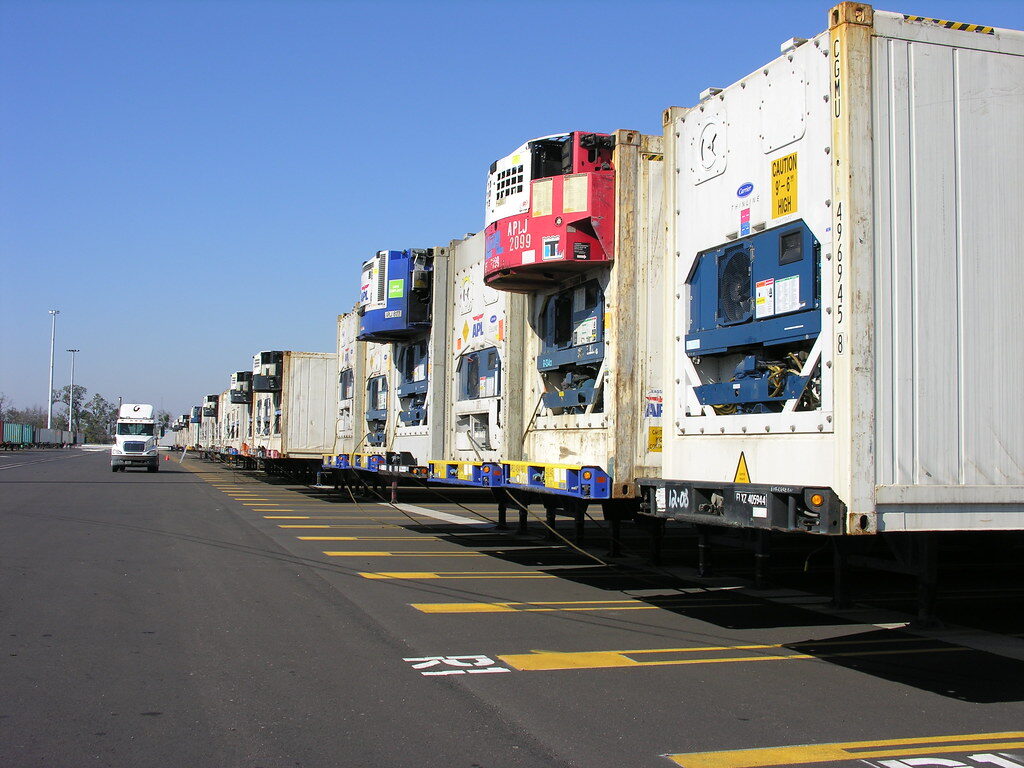
Ocean and inland reefer coordination
We arrange reefer containers and refrigerated trailers together, so temperature control doesn’t break at the handoff. That continuity matters most at the port, where cargo can otherwise sit unprotected between legs.
Range matched to commodity
Equipment and setpoint are matched to what your cargo actually requires, from deep-frozen to chilled. Getting the range wrong even by a few degrees can shorten shelf life or trigger a rejection at destination.
Pre-cool and handoff checks
We confirm equipment is pre-cooled before loading and check setpoint at key handoffs. Loading warm cargo into a unit that hasn’t reached temperature is one of the most common causes of cold chain failures.
Time-sensitive routing
Perishable cargo is routed with its shelf life in mind, minimizing unnecessary dwell time. Every extra day in transit is a day removed from the product’s usable life on the other end.
Moving cargo that can’t fluctuate
How it works
Step 1
Requirements review
We confirm the commodity, required temperature range, and transit timeline before booking equipment.
Step 2
Equipment booking
A reefer container or refrigerated trailer is sourced and set to the correct temperature ahead of loading.
Step 3
Pre-cool and loading check
We confirm the unit has reached setpoint before cargo is loaded.
Step 4
In-transit coordination
We stay in contact with the carrier through transit and at each handoff point.
Step 5
Delivery confirmation
We confirm delivery and, where available, the temperature record for the move.
Reference
Common temperature ranges by cargo type
| Cargo type | Typical range | Examples |
|---|---|---|
| Deep-frozen | -25°C (-13°F) or colder | Ice cream and some frozen seafood |
| Frozen | -25°C to -18°C (-13°F to 0°F) | Frozen meat, seafood, and prepared foods |
| Chilled | 0°C to +5°C (32°F to 41°F) | Dairy, fresh meat, cut flowers |
| Fresh produce (varies by item) | -1°C to +13°C (30°F to 55°F) | Fruits and vegetables, depending on variety |
These are general industry reference ranges. Exact setpoints vary by specific commodity, ripeness, and shipper specification, and should be confirmed for each shipment.
FAQs
Temperature-controlled shipping questions
Shipping something that can’t lose its cool?
Tell our team the commodity and required range, and we’ll arrange the right equipment.