Project & Heavy Lift Cargo
Project cargo, planned before it moves
Peregrine Shipping coordinates project and heavy lift cargo shipping for freight that won’t fit a standard container, from route planning through delivery.
Overview
Oversized freight needs a different plan
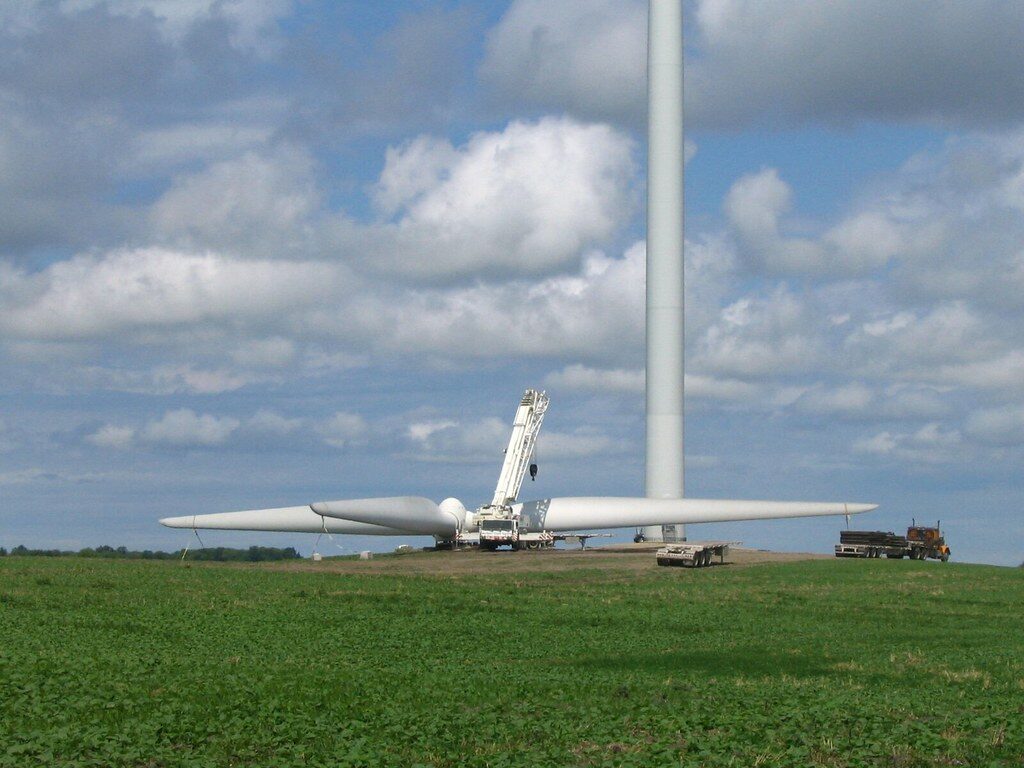
Project and heavy lift cargo shipping covers freight that doesn’t fit the standard playbook: machinery, industrial equipment, structural components, or anything too large, too heavy, or too awkward for a standard container or trailer. The planning has to happen before the cargo moves, not after, because the wrong equipment choice or an unpermitted route can stop a shipment cold.
We coordinate the pieces that project cargo requires: identifying whether a flat rack, open top container, breakbulk vessel, or RoRo service fits the cargo, arranging route surveys and permits where the load requires them, and lining up the specialized carriers and handling equipment the move needs.
Every project shipment is different, so we start with an assessment of the cargo’s dimensions, weight, and fragility before recommending a method. That assessment shapes everything downstream: which port or route can handle it, what documentation is required, and what it will cost to move safely.
Cargo assessment
We review dimensions, weight, and handling requirements before recommending a shipping method. That assessment shapes every decision that follows, from equipment to route.
Specialized equipment sourcing
Flat rack, open top, breakbulk, or RoRo capacity is sourced through our network based on your cargo. The right equipment choice can be the difference between a straightforward move and a stalled one.
Route and permit coordination
Oversized road moves are coordinated with the route surveys and permits they require. Bridge heights, weight limits, and local restrictions all factor into which route actually works.
Full-move coordination
We manage the shipment from origin handling through delivery and, where needed, offload. That single thread of accountability matters more on project cargo than almost any other shipment type.
Planning a project shipment
How it works
Step 1
Cargo survey
We review dimensions, weight, and center of gravity to understand what the cargo requires.
Step 2
Method and route planning
We identify the right equipment and routing, whether that’s a flat rack, breakbulk vessel, or oversized road move.
Step 3
Permits and documentation
Route surveys, permits, and supporting documents are arranged where the move requires them.
Step 4
Transport execution
The shipment moves under the plan, with coordination across every carrier and handoff involved.
Step 5
Delivery and offload
We coordinate final delivery and offload, including any lifting or rigging the site requires.
Reference
Common project cargo shipping methods
| Method | Typical cargo | Notes |
|---|---|---|
| Flat rack container | Machinery, vehicles, coils that exceed standard container height or width | Sides fold down; cargo can overhang within carrier limits |
| Open top container | Tall cargo that won’t fit through a standard door | Loaded from above by crane |
| Breakbulk vessel | Very large or irregularly shaped cargo shipped individually, not in a container | Common for industrial and heavy machinery moves |
| RoRo (roll-on/roll-off) | Wheeled or self-propelled cargo, such as vehicles and rolling equipment | Driven or towed on and off the vessel |
These are standard industry categories for out-of-gauge and heavy cargo. The right method for a specific shipment depends on its exact dimensions, weight, and route.
FAQs
Project cargo questions
Have cargo that doesn’t fit the standard box?
Send our Auburn, Maine team the dimensions, weight, and route, and we’ll map out how to move it.